Natural Gas Markets Show Disturbing Signs of Weakness

The 2014 edition of CEDIGAZ’s flagship survey Natural Gas in the World highlights some disturbing signs of weakness on the demand and supply sides, indicating structural challenges that will need to be addressed before a golden age of gas can occur.

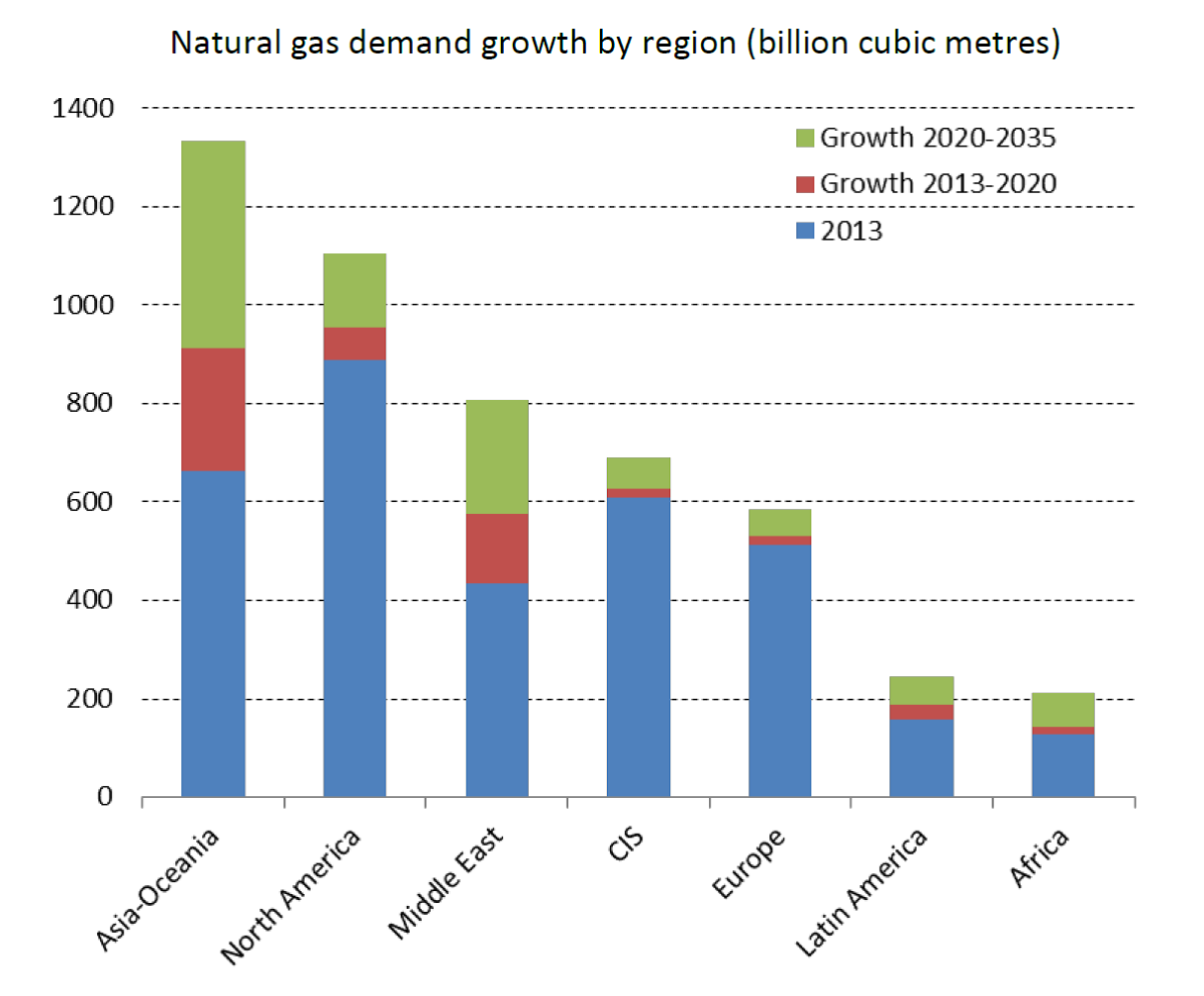
In 2013, growth in worldwide gas demand decelerated, up by only 1% versus 2.4% in 2012. This is less than the 3% growth achieved by coal and, most remarkably, less than that of oil (1.4%). Moreover, gas was the only fossil fuel to record lower growth in 2013 than in 2012. This phenomenon may be observed even in Asia – a powerhouse in terms of growth in gas demand – where demand rose 4% in 2013, down from 6% one year earlier. Gas demand had already shown its limitations in 2012, when it gained only 2.4%, compared to an average growth of 2.8% per year in the previous decade.

Japan’s new energy policy: In search for stable and competitive energy supply

Japan’s energy policy is undergoing fundamental changes. The accident at TEPCO’s Fukushima Daiichi nuclear power plant questions the future contribution of nuclear power in the national energy mix. Growing imports of fossil fuels to replace the lost nuclear capacity inflated energy prices and raise economic and energy security challenges. At the same time, the US shale gas and oil revolution is reshaping the global energy scene. Japan expects to take advantage of the trend to eliminate the “Asian premium” on natural gas prices and expand cheaper natural gas consumption. These developments have driven the Government of Japan to review its energy policy from scratch and adopt a new Strategic Energy Plan. This new policy has far reaching implications for gas and coal development in Japan but also for the international markets as Japan is the world’s largest LNG importer and the second largest coal importer.

This is not hub indexation

The last 14 months since the Cedigaz long-term-contracts database (1) was last updated has shown a continuation of the wave of renegotiations that has gained momentum since 2010, recently culminating with the announcement by ENI of its agreement with Gazprom. The deal, which reduces both the price and take-or-pay obligation of contracted gas, has been hailed by the gas community has signaling a move away from oil-indexation by the Russian gas giant. Based on ENI’s declarations some analysts contend that the gas is now 100% hub indexed. According to Argus Media, the actual arrangement is more subtle, the pricing formula would still be oil-based but would include a price corridor based on TTF prices.